
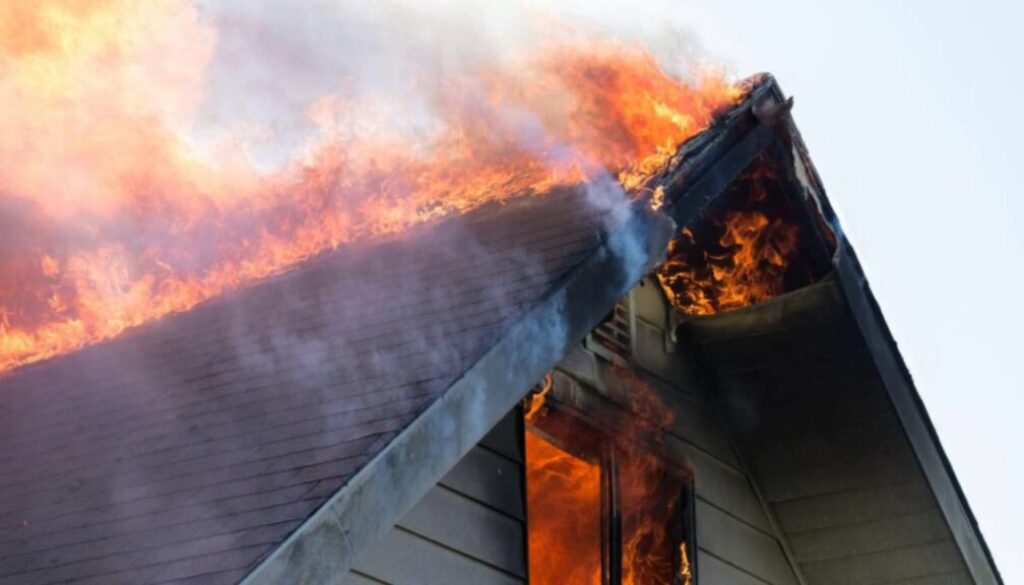
Fire damage restoration in Vancouver includes a series of specialized emergency and reconstruction services designed to return a property to its pre-loss condition while adhering to the British Columbia Building Code. These services typically encompass 24/7 emergency board-up, water extraction from firefighting efforts, soot and smoke residue removal, industrial-grade deodorization, and full structural rebuilding. If you are a homeowner in Shaughnessy or a business owner near Canada Place, securing professional fire damage restoration in Vancouver immediately is the only way to prevent secondary issues like deep-seated odors, corrosion of electronics, and permanent structural weakening.
What are the first steps in fire damage restoration?
The first steps in fire damage restoration are property stabilization and a comprehensive damage assessment to ensure the site is safe for entry. Before any cleaning begins, the structure must be secured against the elements and potential intruders, especially in high-traffic areas like the West End or the Downtown Eastside.
Once the fire department releases the scene, professionals conduct a detailed walkthrough to categorize the damage. This phase is critical for insurance purposes, as it establishes the scope of work and identifies which items are salvageable versus those that require total replacement. By initiating fire damage restoration in Vancouver within hours of the incident, you significantly increase the chances of saving sentimental items and architectural features that would otherwise be lost to acidic soot.
Emergency Mitigation and Security
- Board-Up Services: Sealing broken windows and damaged doors to protect the interior from Vancouver’s frequent rain.
- Roof Tarping: Covering holes in the roof to prevent water from entering the upper floors and attic spaces.
- Temporary Power: Setting up safe, temporary electrical lines to power drying equipment and lighting.
- Security Fencing: Installing perimeter barriers to prevent unauthorized access to the property.
How long does it take to clean up after a house fire?
Cleanup typically takes between several days for minor smoke incidents to several months for major structural fires involving significant rebuilds. The timeline is largely dependent on the “Category of Loss” and how quickly the mitigation team can begin the “Controlled Demolition” phase, where charred materials are removed to expose the underlying structure.
If you are dealing with a kitchen fire in a North Vancouver townhome, the cleaning and deodorization might be completed in under a week. However, for a larger commercial loss near the Port of Vancouver, the process involves complex permits and code upgrades that can extend the project. To get a specific timeline for your property, you should contact us to have an estimator provide a realistic project roadmap.
What are the specific fire restoration services Vancouver BC residents need?
The fire restoration services Vancouver BC residents require most are those that address the unique combination of fire, smoke, and water damage simultaneously. In the Lower Mainland, the moisture used by firefighters can quickly lead to mold growth if it is not managed alongside the soot cleanup.
Key services included in a full-service package are:
- Water Extraction: Removing thousands of gallons of water used during fire suppression.
- Structural Drying: Using LGR dehumidifiers to pull moisture out of the framing and subfloors.
- Soot Removal: Using specialized dry sponges and chemical cleaners to lift fine carbon particles from surfaces.
- HVAC Cleaning: Deep cleaning the ductwork to prevent smoke particles from recirculating through the home.
- Content Pack-Out: Carefully inventorying and moving belongings to a climate-controlled facility for off-site cleaning.
Because every fire is different, a customized plan is essential for a successful recovery. If you are unsure where to start, you can contact us for a site evaluation and a consultation on the best path forward for your specific situation.
Is it possible to remove the smell of smoke permanently?
Yes, it is possible to remove the smell of smoke permanently, but it requires professional-grade equipment like hydroxyl generators and thermal foggers rather than retail cleaning products. Smoke is composed of microscopic particles that penetrate deep into porous materials like insulation, wood studs, and upholstery.
In older homes near Strathcona or Mount Pleasant, smoke can linger in lath and plaster walls for years if not neutralized. Professionals use a process called “encapsulation” for structural members that are charred but stable, sealing the odor inside the wood with specialized primers. By employing full fire cleanup in Vancouver specialists, you ensure that the molecular bonds of the odor-causing particles are actually broken down rather than just covered up.
What is the difference between fire mitigation and reconstruction?
Fire mitigation is the emergency phase focused on stopping further damage, while reconstruction is the final phase focused on rebuilding the property to its original state or better. Most homeowners in areas like Point Grey or Kerrisdale require a firm that can seamlessly handle both ends of the spectrum to avoid coordination delays.
| Phase | Primary Goal | Common Activities |
| Mitigation | Damage Control | Board-up, water extraction, debris removal, and soot cleaning. |
| Reconstruction | Property Rebuild | Drywall, flooring, painting, electrical, and plumbing. |
By choosing a single-source provider, you reduce the risk of communication gaps between the cleanup crew and the builders. This often results in a faster “Return to Occupancy” for your family or tenants.
How much does fire damage restoration cost in Vancouver?
The cost of fire damage restoration in Vancouver typically ranges from $5,000 for minor smoke remediation to $100,000+ for major structural fires. On average, most Canadian property owners spend between $15,000 and $40,000 for moderate damage that includes soot cleanup, water drying, and minor structural repairs.
Several factors influence the final invoice:
- Square Footage: Larger homes in British Properties naturally cost more to clean and dry.
- Type of Fire: Grease fires leave oily residues that are harder to clean than wood-based fires.
- Suppression Damage: The amount of water used by the Vancouver Fire Rescue Services plays a huge role in the drying costs.
- Code Upgrades: In older Vancouver districts, repairs may trigger the need for modern electrical or seismic upgrades.
If you need an accurate estimate for your insurance adjuster, you should contact us to perform a detailed line-item assessment of the damage.
Why is smoke and fire damage repair Vancouver so complex?
The process of smoke and fire damage repair in Vancouver is complex because it involves toxic residues and hidden structural weaknesses that the average eye cannot see. Soot is often acidic and can cause permanent etching on glass, marble, and stainless steel within just 24 to 48 hours.
Furthermore, Vancouver’s maritime climate means that even a small fire can lead to high humidity levels inside the building, causing metal components like plumbing fixtures and electronics to corrode rapidly. Professionals use HEPA air scrubbers and moisture sensors to manage these invisible threats. Securing a team that understands these regional environmental factors is the best way to ensure the long-term health of your property.
How do you handle an insurance claim after a fire?
Handling an insurance claim after a fire involves providing a comprehensive inventory of lost items and a detailed scope of work for the building repairs. Most policies in BC cover the cost of restoration, but the burden of proof lies with the policyholder.
A professional restoration company acts as your advocate by:
- Providing Photo Documentation: Taking hundreds of photos before, during, and after the cleanup.
- Using Xactimate: Utilizing the same industry-standard estimating software that adjusters use to ensure pricing transparency.
- Communicating with Adjusters: Directly explaining the technical necessity of certain drying or cleaning protocols.
- Handling Direct Billing: Many firms can bill the insurance company directly, reducing your out-of-pocket stress.
Why you shouldn’t clean up soot yourself
Attempting to clean up soot without professional equipment usually results in the soot being smeared deeper into the material, making it permanent. Soot particles are extremely fine and can be oily; using the wrong chemical or a standard vacuum will only spread the contamination.
Additionally, fire-damaged buildings contain various toxins, including carbon monoxide and volatile organic compounds (VOCs) released by burning plastics and foams. Professionals wear full PPE (Personal Protective Equipment) and use specialized “dry sponges” to lift soot without moisture. This prevents the soot from becoming “slurry” that permanently stains your walls and ceilings.
Serving the Greater Vancouver Area
Our deep roots in the Lower Mainland allow us to navigate the specific logistical challenges of the city. We are familiar with the parking restrictions near Robson Street and the specific building permits required by the City of Vancouver for heritage homes in neighborhoods like Grandview-Woodland.
Whether you are looking for help near the Vancouver Public Library central branch or have a property in the Fairview slopes, we understand the architectural variety of our city. From modern glass towers in Coal Harbour to historic craftsman homes near Kitsilano Beach, we bring the right tools for every structural type found in our local community.
FAQs: People Also Ask About Vancouver Fire Damage
Is my house safe to live in after a small fire?
You should never assume a house is safe until an air quality test and a structural assessment are completed. Smoke contains toxins that can cause respiratory issues, and hidden fire damage can compromise floor joists or electrical wiring.
Can I save my clothes after a fire?
Most clothing can be saved through a process called “Esporta Wash System” or specialized dry cleaning that removes smoke molecules and soot. Do not wash them in a standard machine, as this can set the smell and stains permanently.
Does the fire department pay for the damage?
No, the fire department is responsible for life safety and suppression. The property owner or their insurance company is responsible for the cost of the cleanup and repairs following the fire.
What is “Controlled Demolition”?
This is the strategic removal of only the materials that are too damaged to be saved. This often includes wet drywall, charred studs, and melted insulation. This process “opens up” the building so it can be properly dried and deodorized.
Will my electrical system need to be replaced?
If fire or high heat reaches your electrical panels or wiring, a licensed electrician must inspect the system. In Vancouver, any major repair may require the entire system to be brought up to current BC Electrical Code standards.
Conclusion
The path to recovery after a fire is a journey that requires technical precision and compassionate support. From the quiet suburbs of Marpole to the vibrant energy of Gastown, fire remains a devastating force that demands an immediate, professional response. By prioritizing fire damage restoration in Vancouver immediately after the flames are extinguished, you protect your property from the long-term effects of smoke and water. All Quest Restoration is a trusted local service provider that serves as a complete solution to the problems discussed. We bring 15 years of local experience and insurance expertise to every project, ensuring your home or business is rebuilt with integrity. For dedicated support in the Vancouver community, trust the team that treats your property like their own.


